
Bermuda College launches medical nutrition scheme with local genetics lab
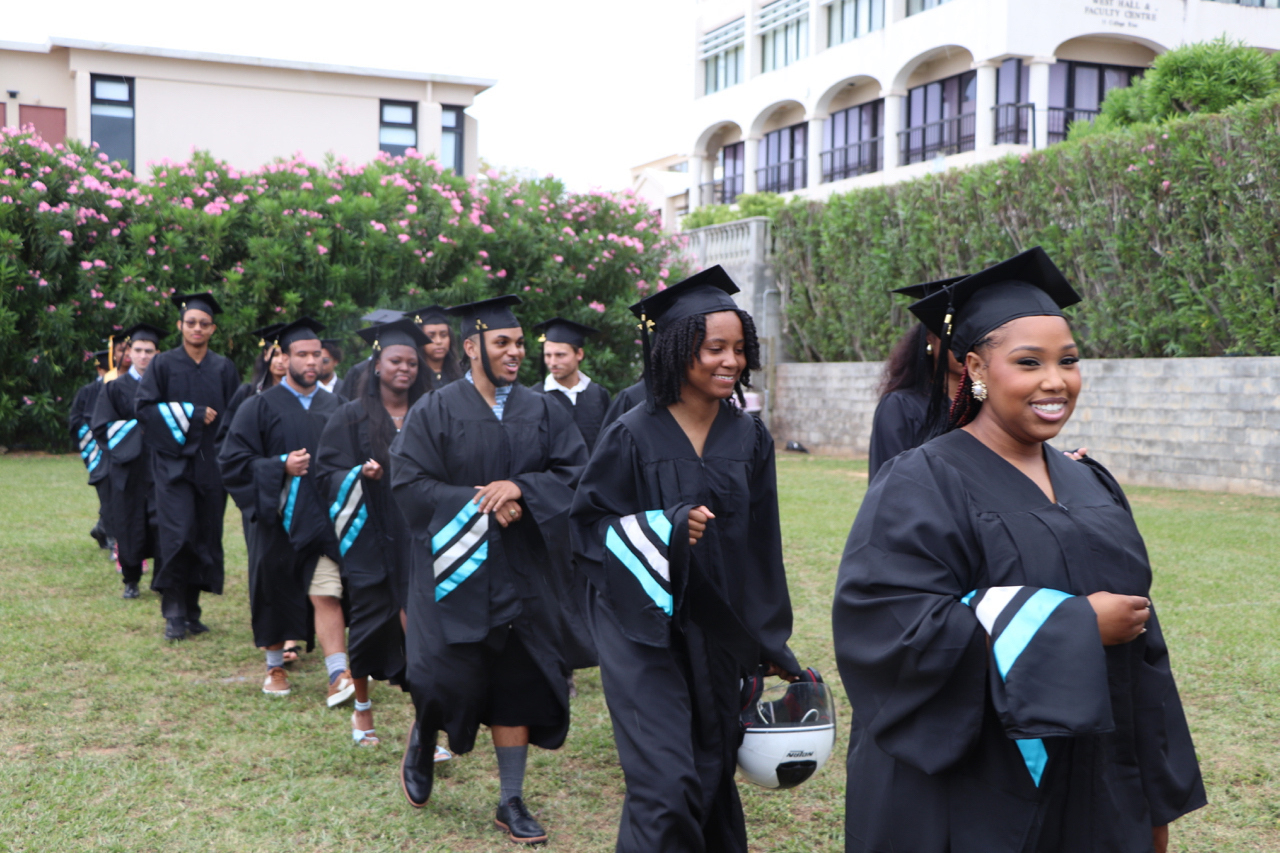
A new initiative at Bermuda College is giving healthcare students hands-on experience in medical nutrition, diagnostics and wellness assessment.
The programme, which combines classroom learning with real-world laboratory testing and community-based health interventions, forms part of a Medical Nutrition course within the college’s Nursing and Allied Health curriculum.
It is designed to move students beyond theory into applied learning and through supervised assessments and structured interventions, students will work directly with volunteer participants to better understand how nutrition, lifestyle and biology influence health outcomes.
For the first time, the initiative is being supported by on-campus laboratory facilities operated by Carigenetics, enabling students to incorporate professional blood analysis and genetic wellness screening into their coursework.
The collaboration creates a unique learning environment where academic instruction is integrated with live diagnostic processes.
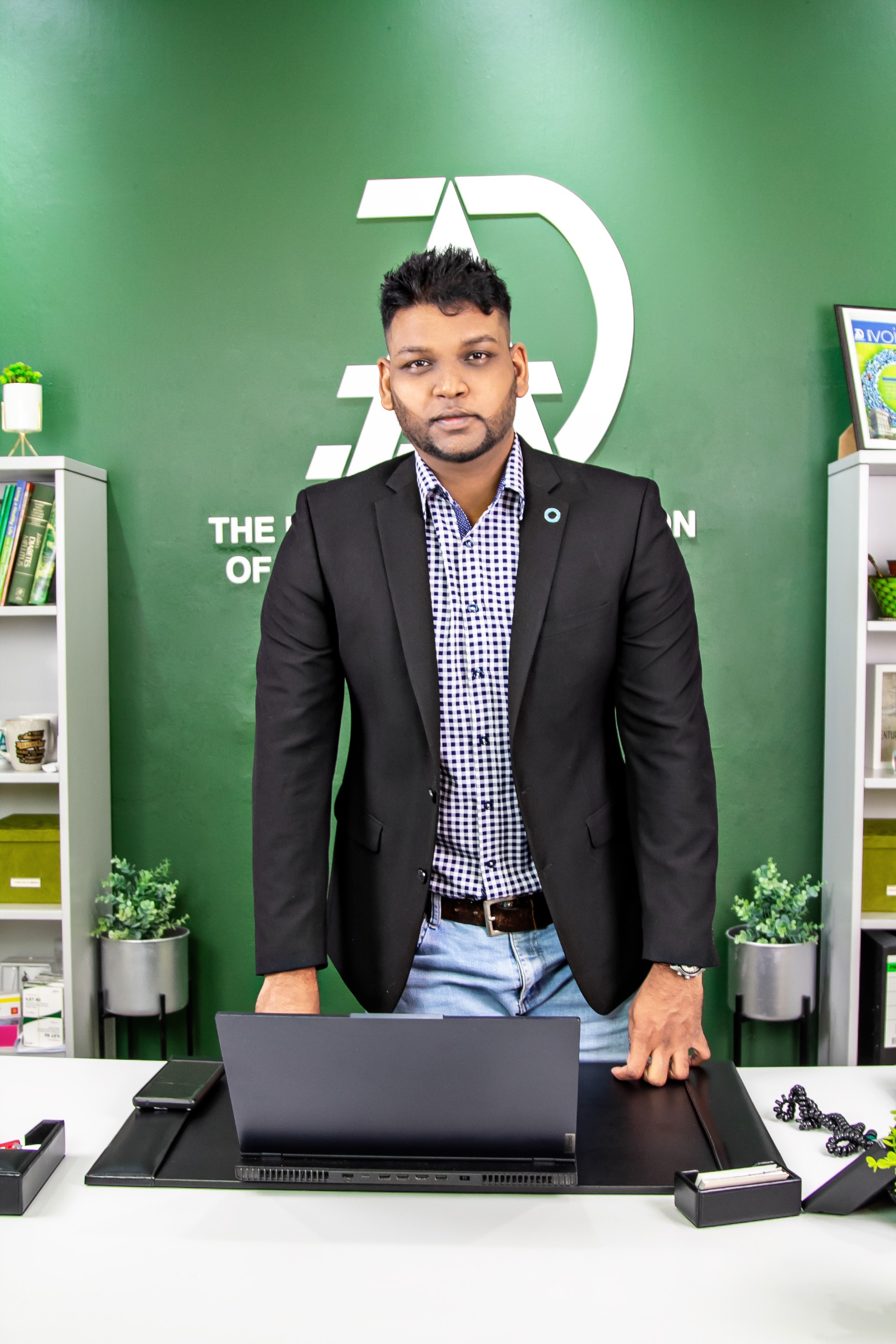
The course is led by Dr Andrew Dhanoo, Biology Lecturer at Bermuda College, who introduced the practical project to strengthen students’ clinical and patient engagement skills.
As part of the programme, students conduct physical assessments such as height, weight and blood pressure measurements, alongside biochemical testing including cholesterol and blood glucose analysis.
“This approach allows students to properly assess individuals and develop tailored nutrition interventions, rather than applying generic advice,” said Dr Dhanoo.
“By reassessing participants after the intervention period, students can see which strategies actually work and gain meaningful insight into preventive healthcare.”
Using the data collected, students design personalised nutrition and lifestyle plans, supported by nutrition professionals from the Bermuda Diabetes Association.
Over a two-month period, participants follow the interventions before returning for reassessment, enabling students to measure outcomes and refine their understanding of culturally appropriate healthcare strategies.
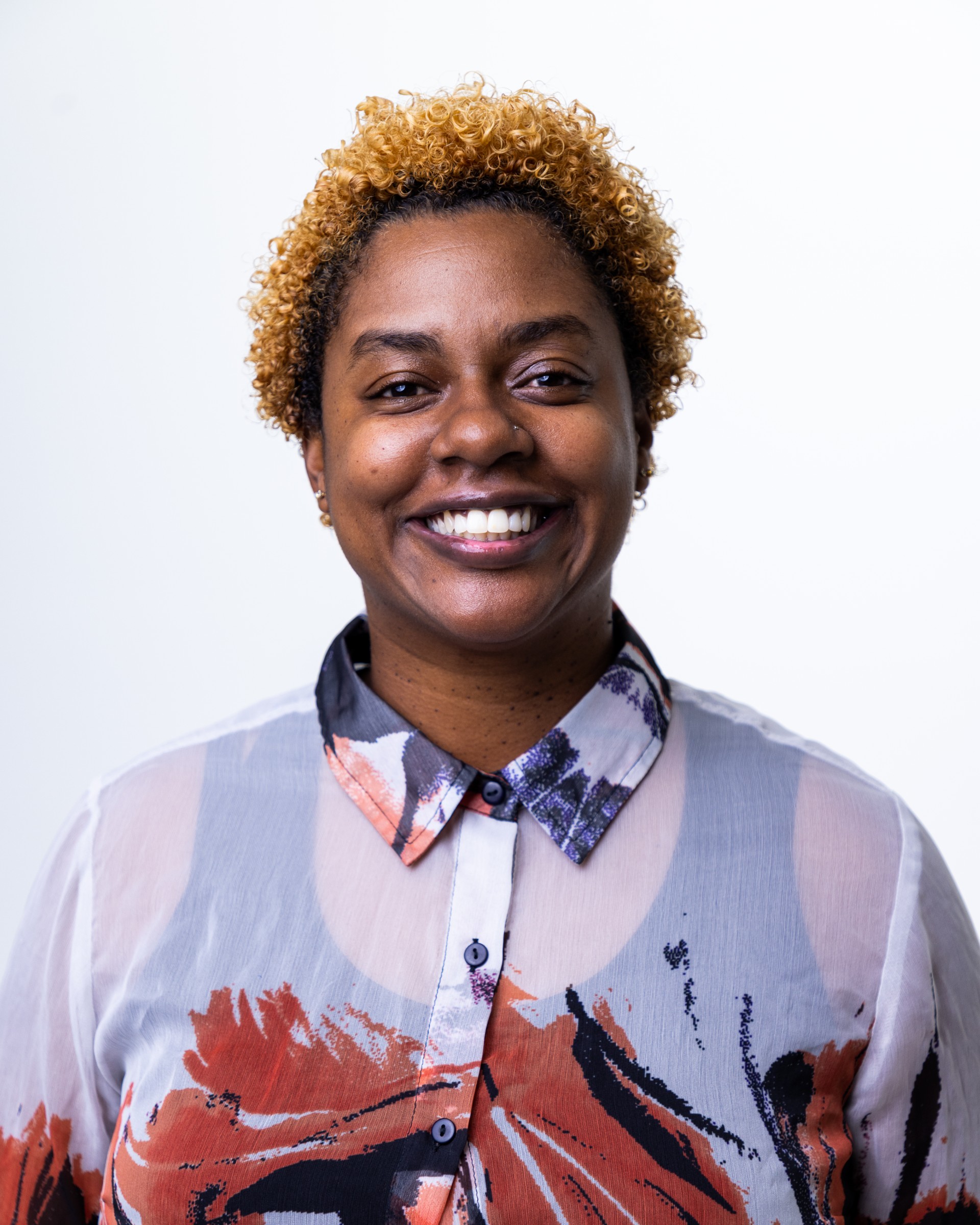
For Dr Carika Weldon, founder of Carigenetics and an adjunct lecturer at Bermuda College, the initiative reflects a deliberate commitment to education, collaboration and healthcare innovation.
Both the company’s research and clinical laboratories are based on campus to provide students with early exposure to professional laboratory environments.
“From the outset, our goal was to create real opportunities for students to gain hands-on experience in a clinical lab setting,” said Dr Weldon.
“By integrating genetics and diagnostics into teaching, we’re helping students build confidence, stand out professionally and better prepare for careers in healthcare.”
Beyond education, the project also supports the development of local diagnostic capacity and more affordable access to testing.
As a growing clinical laboratory, Carigenetics is using the programme to validate testing processes while helping address gaps in care for uninsured and underserved populations.
The pilot launches this semester, with student presentations and outcome reviews scheduled for April.
Organisers hope the model will be expanded across additional health and science courses, demonstrating the value of collaboration between education, industry and health organisations in strengthening Bermuda’s healthcare system.